
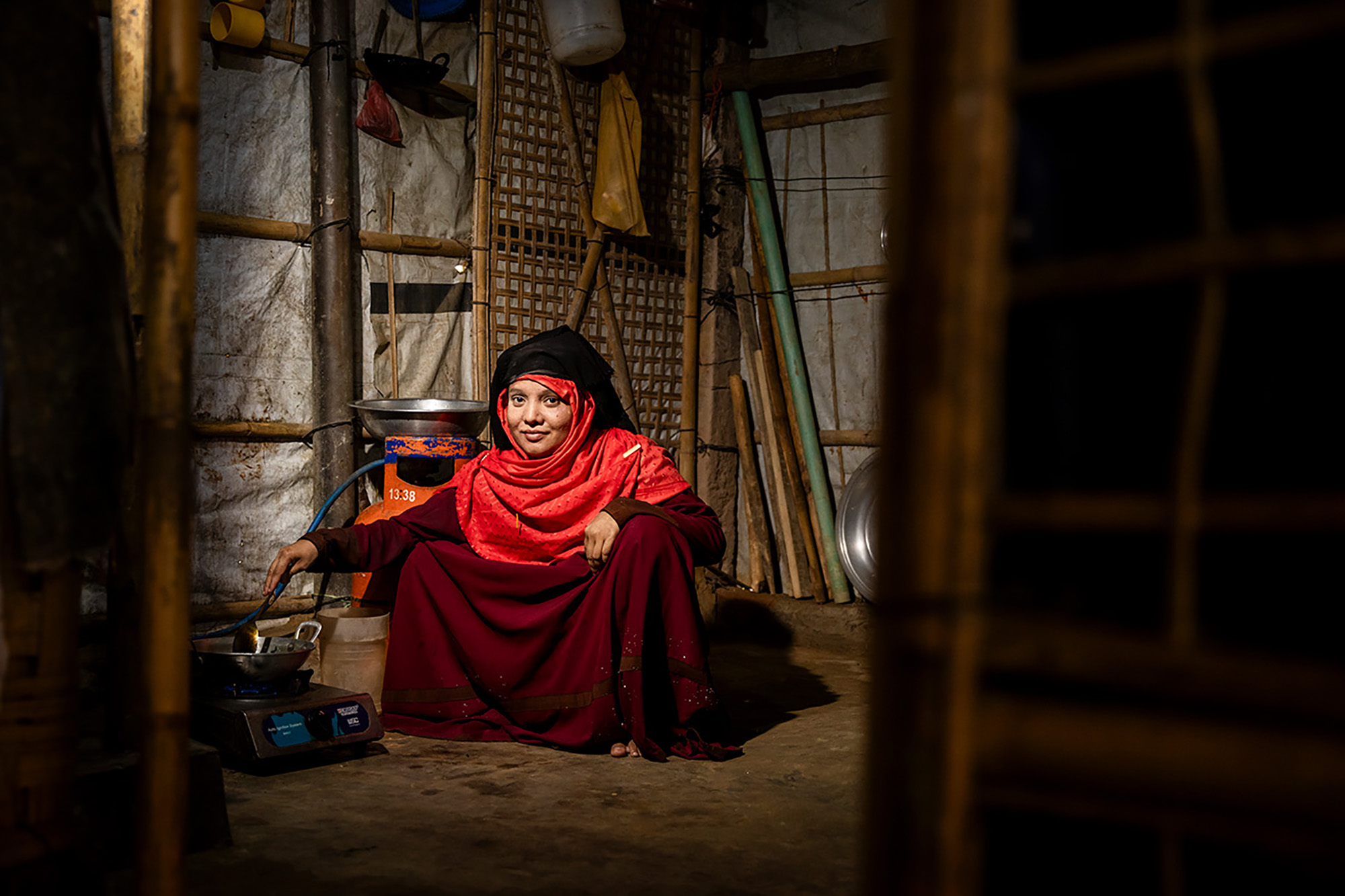
Global food production can feed everyone, yet hunger persists, affecting one in 11 people worldwide and one in five people in Africa. Our goal towards Zero Hunger by 2030 is off track, with nearly 600 million people likely to be chronically undernourished in six years. We require transformative changes and bigger investment in agriculture, closing urban-rural divides, and building efficient, sustainable, and resilient food systems. Our UN specialized agencies - FAO, World Food Programme, World Bank, and IFAD, among others - are there to help in the field.
Global Issues

Extreme heat affecting the health of 70% of the global workforce. Shifting weather patterns damaging our harvests. Rising sea levels increasing the chances of catastrophic floods. The impacts of climate change are global in scope and unprecedented in scale. Since the 1800s, human activities have been the main driver of climate change, primarily through the burning of fossil fuels such as coal, oil and gas. Without drastic action today, adapting to these impacts in the future will be more difficult and costly. We are at a defining moment to change the path of humanity.
Hello Future is a UNDP video series exploring the trends shaping our world. Today's episode explores the current cost-of-living and food insecurity crisis, fuelled in part by the COVID-19 pandemic and the war in Ukraine, impacting the entire world.
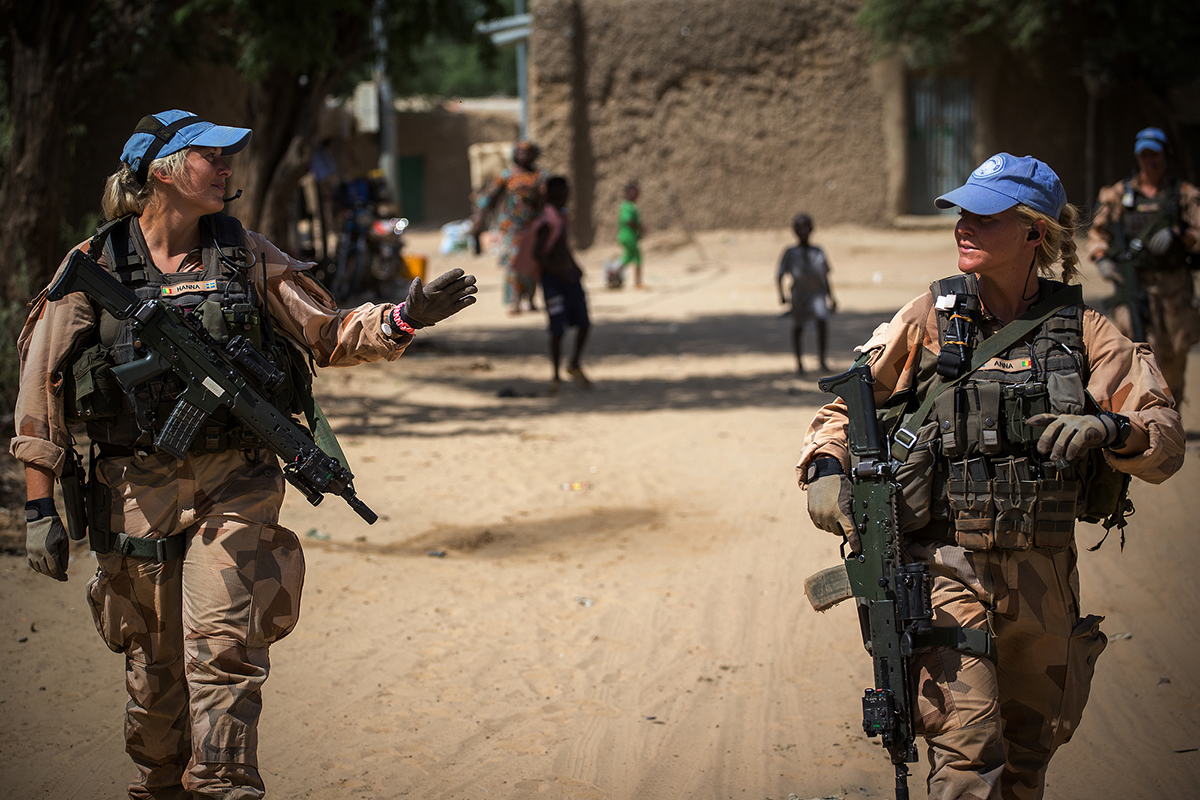
"To save succeeding generations from the scourge of war" are among the first very words of the UN Charter (in its Preamble), and those words were the main motivation for creating the United Nations, whose founders had lived through the devastation of two world wars by 1945. Since the UN's creation on 24 October 1945 (the date its Charter came into force), the United Nations has often been called upon to prevent disputes from escalating into war, or to help restore peace following the outbreak of armed conflict, and to promote lasting peace in societies emerging from wars.
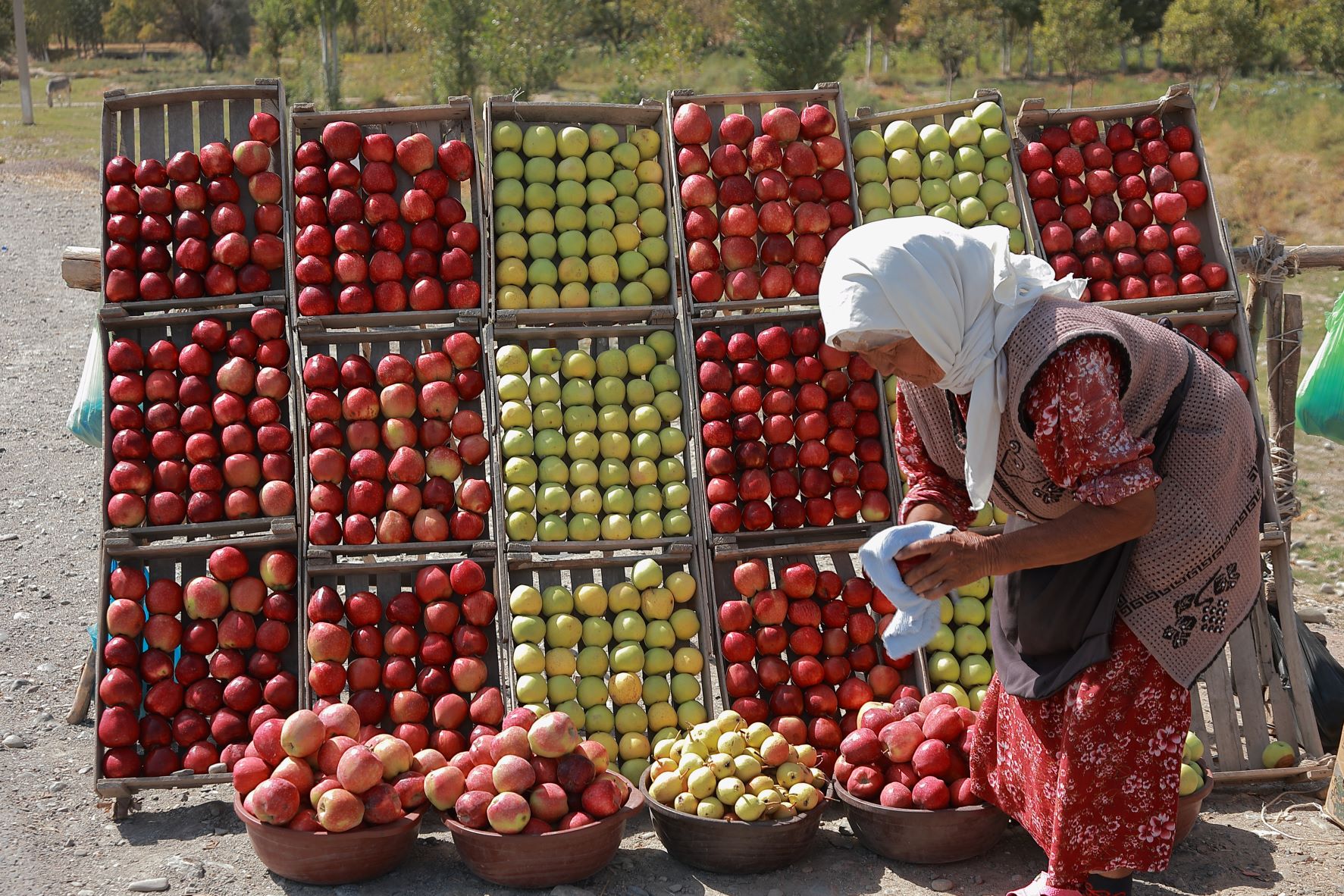
While global hunger numbers have stalled between 2021 and 2022, there are many places in the world facing deepening food crises. Africa remains the worst-affected region with one in five people facing hunger on the continent, more than twice the global average. According to the latest State of Food Security and Nutrition in the World (SOFI) report by FAO, over 122 million more people are facing hunger due to the pandemic and repeated weather shocks and conflicts.
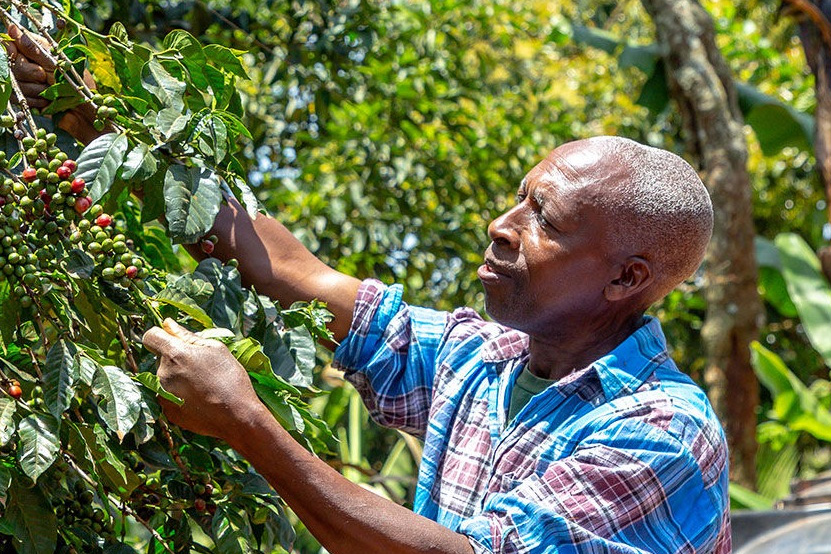
The world is at a crossroad, does it reposnd to crisis after crisis or invest in a structural change for a stronger, more sustainable future? Global crises have exposed how inadequate our resources are to prevent future emergencies. With 4 in 5 of the world’s poorest people living in rural areas, the road to a resilient future runs through rural communities. IFAD is investing in rural people for a sustainable future. By making the right choices and the right investments now, a new day—and a better future—is possible.
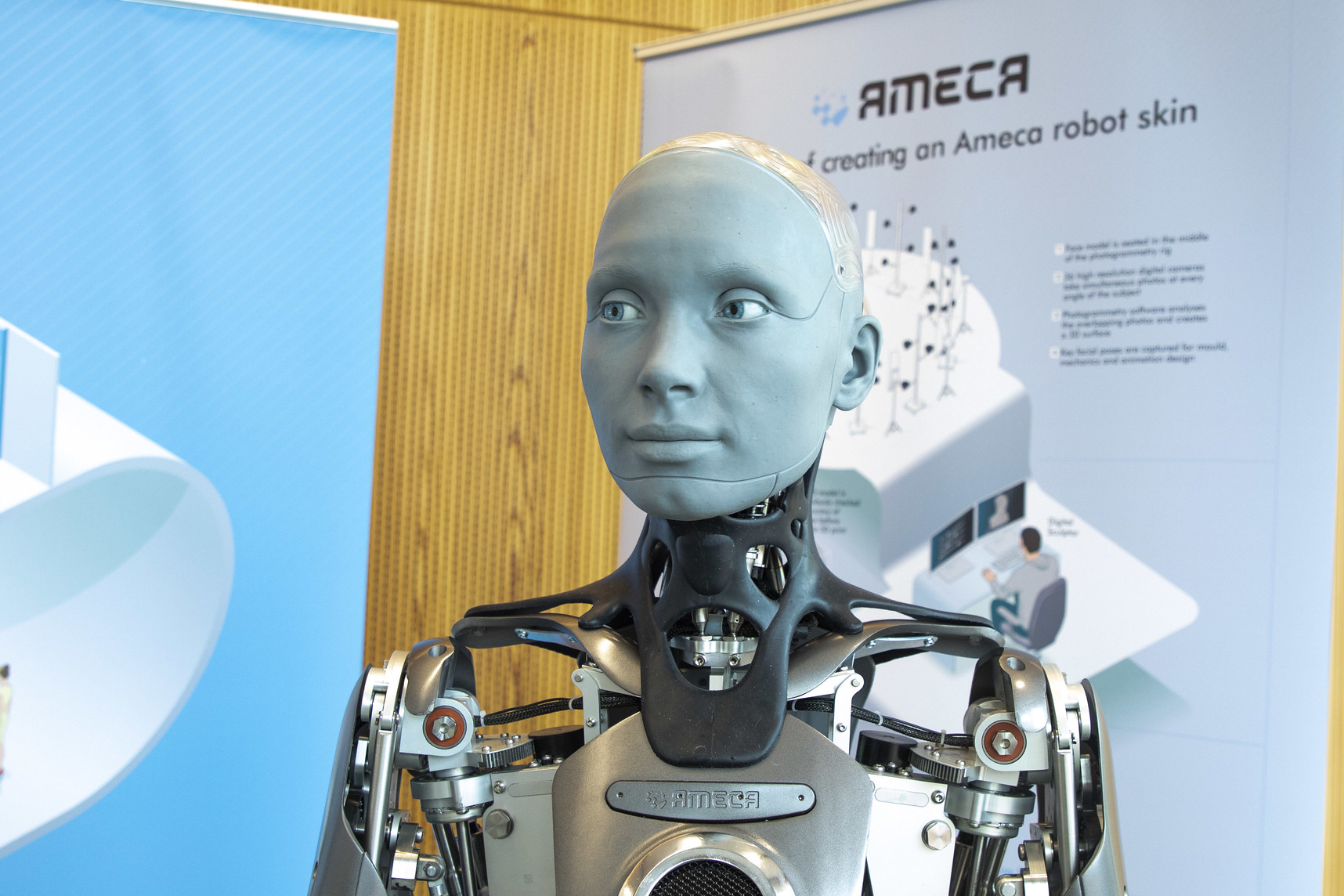
AI governance should be a global community dialogue. Now is the critical moment to get it right and ensure a responsible future with AI.
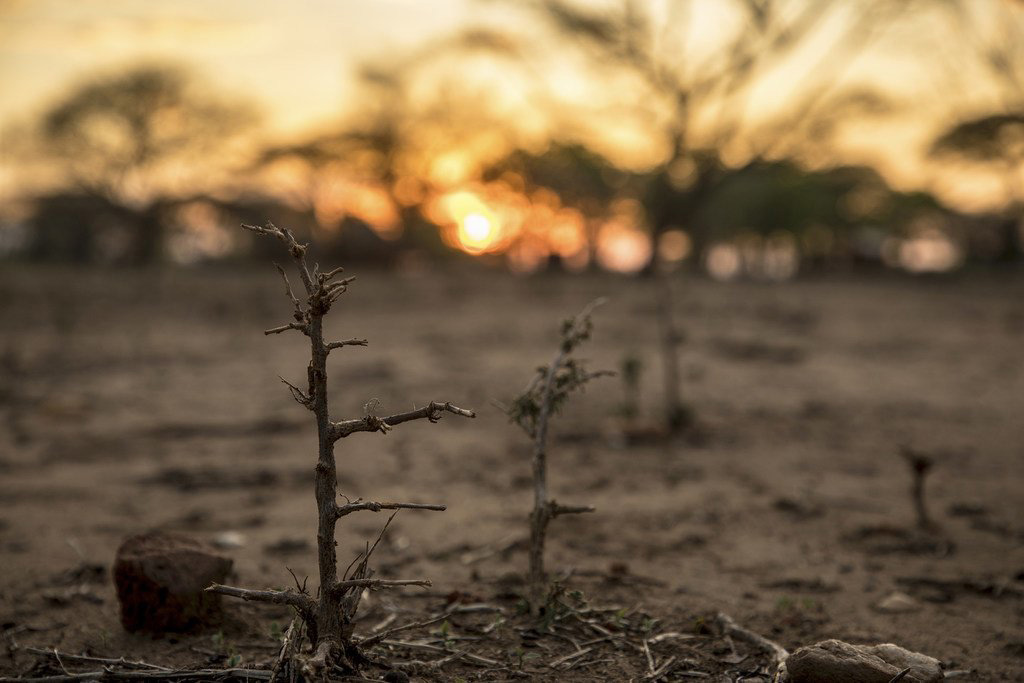
Climate change refers to long-term shifts in temperatures and weather patterns. Since the 1800s, human activities have been the main driver of climate change, primarily due to burning fossil fuels like coal, oil and gas. We are at a defining moment for climate change. From threated food production, to rising sea levels that increase the risk of catastrophic flooding, the impacts of climate change are global in scope and unprecedented in scale. Without drastic action today, adapting to these impacts in the future will be more difficult and costly.
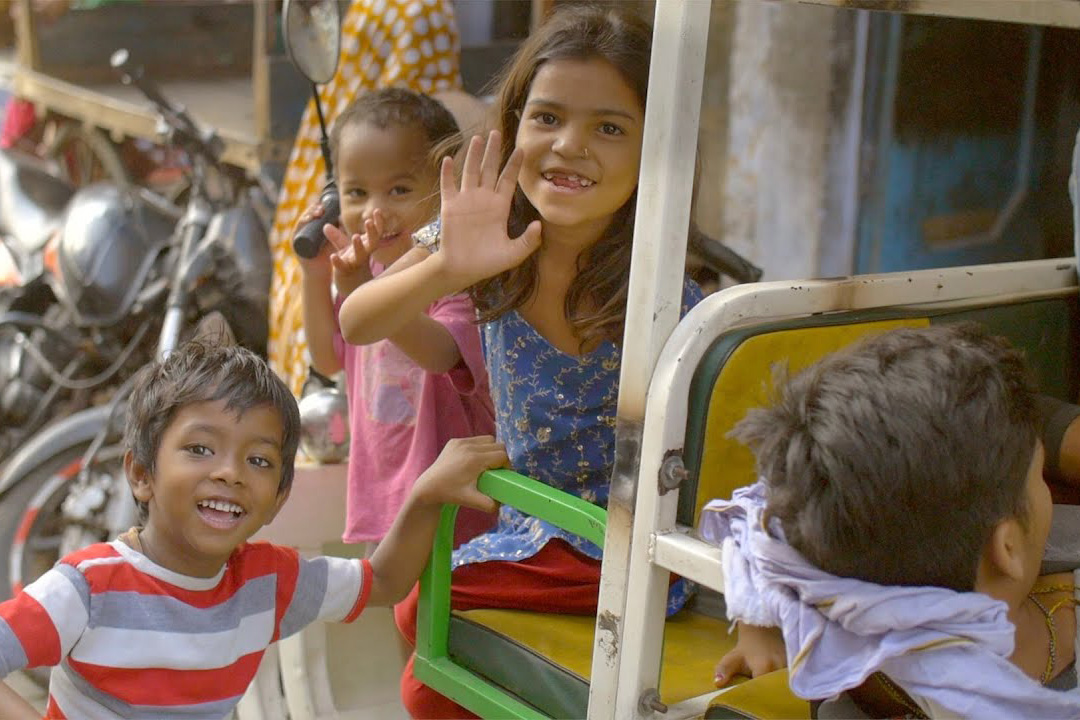
In 2022, the world’s population reached 8 billion people. While it took the global population 12 years to grow from 7 to 8 billion, it will take approximately 15 years for it to reach 9 billion, a sign that the growth rate of the global population is slowing. Yet levels of fertility remain high in some countries - those with the lowest income per capita. The United Nations follows population and other global issues in addition to its initial goals of peace and security, human rights, international law and development.